
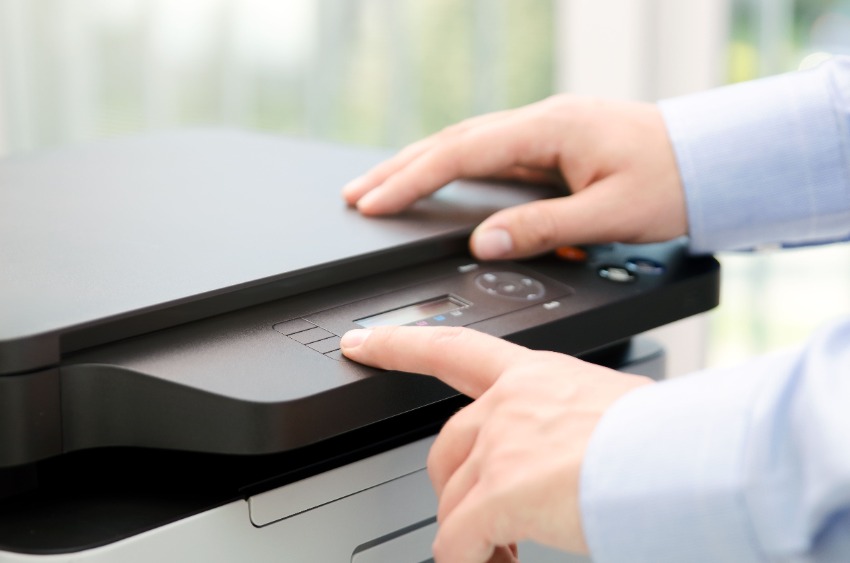
Managing office documentation requires choosing between routing hardware upkeep through internal technical teams or utilizing managed print services for small business models. Corporate executives frequently struggle to isolate the true financial overhead hidden within mixed-device document environments. This structural breakdown examines the labor leaks, equipment lifecycles, and actual capital allocations associated with both operating structures. Review the following cost analysis to discover which strategy preserves corporate funds while maintaining steady office workflow output.
The Real Cost of Internal Tech Support for Office Copiers
Internal technology teams incur substantial financial leakage when they handle mechanical printer issues instead of focusing on core network administration.
Internal network engineers possess specialized training designed to maintain corporate software systems and server availability. When these highly paid technical assets spend their working hours clearing paper jams or configuring scanning paths, companies lose significant labor value. This structural misallocation of technical talent creates an expensive operational drain that rarely appears on standard corporate balance sheets.
Office administrators often overlook the compounding cost of managing individual machine requests across separate departments. Internal staff members must field emergency helpdesk tickets for random device errors, draining time away from development goals.
Research indicates that standard business groups spend major administrative blocks simply coordinating basic technical support for legacy local equipment. Deploying specialized managed print services for small business agreements completely removes these labor drains. Delegating these duties to external specialists allows internal engineering teams to remain dedicated to primary software engineering projects.
Hours Spent Fixing Jams and Tracking Toner Supplies
Routine mechanical intervention and manual inventory tracking consume dozens of internal labor hours every month.
Managing physical components requires continuous oversight of consumable parts, toner cartridges, and regular paper stock levels. Without automated tracking software, internal workers must manually check supply bins and place emergency retail purchase orders. These tasks interrupt standard business processes and result in local supply shortages that stall departmental operations.
- Emergency technician call-outs for local mechanical failures
- Manual calculation of remaining toner percentages per device
- Processing separate purchase orders for individual office consumables
- Configuring local print drivers on individual employee workstations
Internal workers also spend hours waiting for retail supply deliveries when local inventory controls fail. This creates expensive downtime during which employees cannot execute documentation tasks or complete client agreement filings. Standardizing these processes through external automated delivery systems eliminates manual inventory tracking.
Diverting Specialist Skills Away from Core Software Tasks
Diverting internal engineering assets to mechanical device repair reduces organizational capacity for software innovation and network security defense.
Internal technical workers achieve the highest returns for an enterprise when they focus on digital infrastructure and proprietary applications. Forcing these teams to manage regional print networks dilutes their focus and delays long-term system deployments. Organizational field data shows that IT personnel experience widespread frustration when physical device repairs burden them. This operational friction lowers overall technology team output and slows down internal network projects.
Specialized database administrators or cybersecurity experts should not configure localized physical copier settings. Businesses that require their technical staff to act as hardware repair mechanics see higher employee turnover and decreased digital system stability. Shifting these tasks to comprehensive print fleet management programs ensures that internal engineers stick to high-priority cybersecurity monitoring.
How Managed Solutions Remove Unpredictable Hardware Expenses
Third-party print management models convert unpredictable hardware failures and unmonitored material waste into a single, predictable monthly operating expense.
Traditional office environments suffer from highly erratic spending patterns driven by unexpected component breakdowns and sudden replacement needs. A single major component failure in a departmental copier can disrupt quarterly technology budgets without warning. Using specialized managed print solutions eliminates these sudden financial surprises by wrapping all maintenance and parts into a structured agreement.
The comprehensive Gitnux 2026 Market Data Report demonstrates that small business adoption of structured print programs rose from 32% in 2020 to 51% in 2023. This rapid market shift highlights how smaller organizations prioritize budget stability over random hardware purchasing cycles. Larger public institutions also deploy this method, as seen in the Los Angeles County Board’s multi-year leasing agreements that manage hundreds of thousands of dollars in document expenses through fixed structures. Embracing an organized system protects corporate liquidity while guaranteeing access to functional, enterprise-grade printing infrastructure.
Transitioning From Large Capital Expenses to Fixed Monthly Fees
Moving from outright equipment purchases to low monthly operating leases removes upfront capital requirements completely.
Buying multi-function printers requires significant upfront capital investments that tie up valuable corporate cash reserves. These physical assets begin depreciating the moment they enter the building, creating long-term balance sheet liabilities. Educational facilities, such as Napa Valley College, utilize structured technology refresh planning models to avoid massive single-year capital hits.
Their total cost of ownership assessments calculate these expenditures using a projected five-year replacement cycle for fleet devices. Deploying modern hardware through zero-upfront-cost programs allows small businesses to keep cash reserves focused on strategic operational growth. These programs distribute the total cost of equipment evenly across the entire multi-year lifecycle of the machines. Business leadership gains total clarity over exact monthly expenditures, simplifying annual financial reporting and departmental budget mapping.
Eliminating Last-Minute Retail Supply Runs
Automated physical supply fulfillment systems prevent localized stock shortages and remove the need for high-cost retail procurement.
When an office machine suddenly runs out of toner, standard operations halt until a replacement cartridge arrives. Internal workers usually respond by driving to local office supply retailers to purchase individual cartridges at premium retail prices. These hasty transactions bypass corporate purchasing controls and increase the average cost per page significantly.
Implementing an automated print fleet management protocol solves this problem by using real-time remote monitoring technology. Remote tracking systems monitor exact material percentages and trigger automated shipping cycles before local stock hits zero. Consumables arrive directly at the business doorstep exactly when needed, eliminating manual oversight and storage room accumulation. This continuous supply chain flow protects office productivity and removes administrative paperwork from the accounting department.
Calculating the Final Financial Balance
An accurate total cost of ownership comparison demonstrates that outsourced print optimization consistently delivers lower per-page expenses than internal IT oversight.
Assessing the true fiscal reality of office operations requires gathering all disparate print-related expenses into a single view. Leadership must calculate internal labor hours, separate vendor invoices, emergency maintenance fees, and unmonitored paper waste. Public sector examples, like the San Bernardino Community College District procurement records, show that combining these variables under a single partner yields substantial efficiency gains.
Organizations that maintain separate agreements for every device face compounding administrative fees and invoice processing friction. Managing document security internally also exposes an organization to hidden secondary costs from unpatched system vulnerabilities. Office printers connected to local networks require constant firmware updates to prevent unauthorized data access threats. This ongoing oversight is thoroughly detailed in the OneDOC cybersecurity risk assessment guide, which explains how modern network printers require continuous monitoring.
Utilizing integrated managed print solutions ensures that all networked devices receive prompt security updates without consuming internal IT resources. Unmanaged print environments also face significant material loss from forgotten documents left sitting on output trays. Universities like UNC Greensboro address this specific waste by implementing follow-me secure print release systems across their entire campus networks. These security protocols ensure pages only print when the authorized user authenticates their identity directly at the shared device.
Eliminating physical paper waste also assists organizations in meeting regional compliance rules and environmental goals. State institutions like the University of Washington coordinate with technology resources to set default configurations to double-sided printing. This matches local regional rules, such as Seattle’s strict prohibition against placing recyclable paper in landfill waste streams. Shifting to an optimized setup gives management complete visibility into exact user patterns, driving down unnecessary supply utilization.
| Cost Category | In-House IT Management Model | Outsourced Managed Model |
| Upfront Capital | High purchase prices for every new machine | Zero initial investment with monthly plans |
| Supply Procurement | Manual ordering and expensive retail runs | Automated fulfillment based on usage |
| Technical Support | Drains internal engineer labor hours | Covered by certified external technicians |
| Security Oversight | Manual tracking of local device firmware | Continuous remote network monitoring |
Establishing Long-Term Capital Protection
Selecting the appropriate management model depends on whether an enterprise values manual control over predictable cost minimization.
Businesses that choose to handle document infrastructure internally accept permanent exposure to variable labor drains and equipment breakdown bills. This choice commits internal technical workers to constant physical hardware maintenance cycles instead of digital growth initiatives. Conversely, shifting these operational burdens to a unified provider guarantees continuous uptime with zero equipment capital required.
The ultimate financial benefit lies in reclaiming internal engineering focus while driving down corporate operational spending. Implementing an audited approach to business hardware allows administrative teams to streamline monthly bookkeeping. Consolidating all documentation devices under a single agreement eliminates a mountain of separate physical invoices. This structural shift protects small business margins from small administrative losses that accumulate over long periods.
Securing comprehensive managed print services for small business networks delivers verified operational relief across all operational departments. This centralized approach guarantees that business leaders stay ahead of infrastructure depreciation. Standardizing devices also ensures that general office workers spend less time adjusting to different printer control screens.
Conclusion
Outsourcing document fleet operations establishes permanent cost protection while restoring internal engineering focus to primary technology goals. Entrusting copier maintenance to internal staff creates significant labor liabilities and unpredictable administrative friction. Implementing a modern print fleet management program provides low, predictable fees, automatic supply replenishment, and continuous network security audits. Choosing tailored managed print solutions ensures that company capital remains focused on strategic operational growth rather than equipment upkeep.
Organizations can easily secure a specialized appointment to establish a balanced document infrastructure that completely eliminates upfront expenditures. This transition handles old multi-vendor invoicing errors by routing accounting tracking through a single specialized partner. Review your print usage patterns this quarter to recover misallocated labor hours and upgrade data protection protocols.